

The Hidden Cost of Power Outages — and How a UPS Saves You Money: A Complete Guide to Protecting Your Business
When the lights go out, most people think the only cost is waiting for power to come back on. But power outages cause hidden expenses that add up fast. Lost work time, damaged equipment, corrupted data, and spoiled inventory can cost your business hundreds or thousands of pounds per incident.
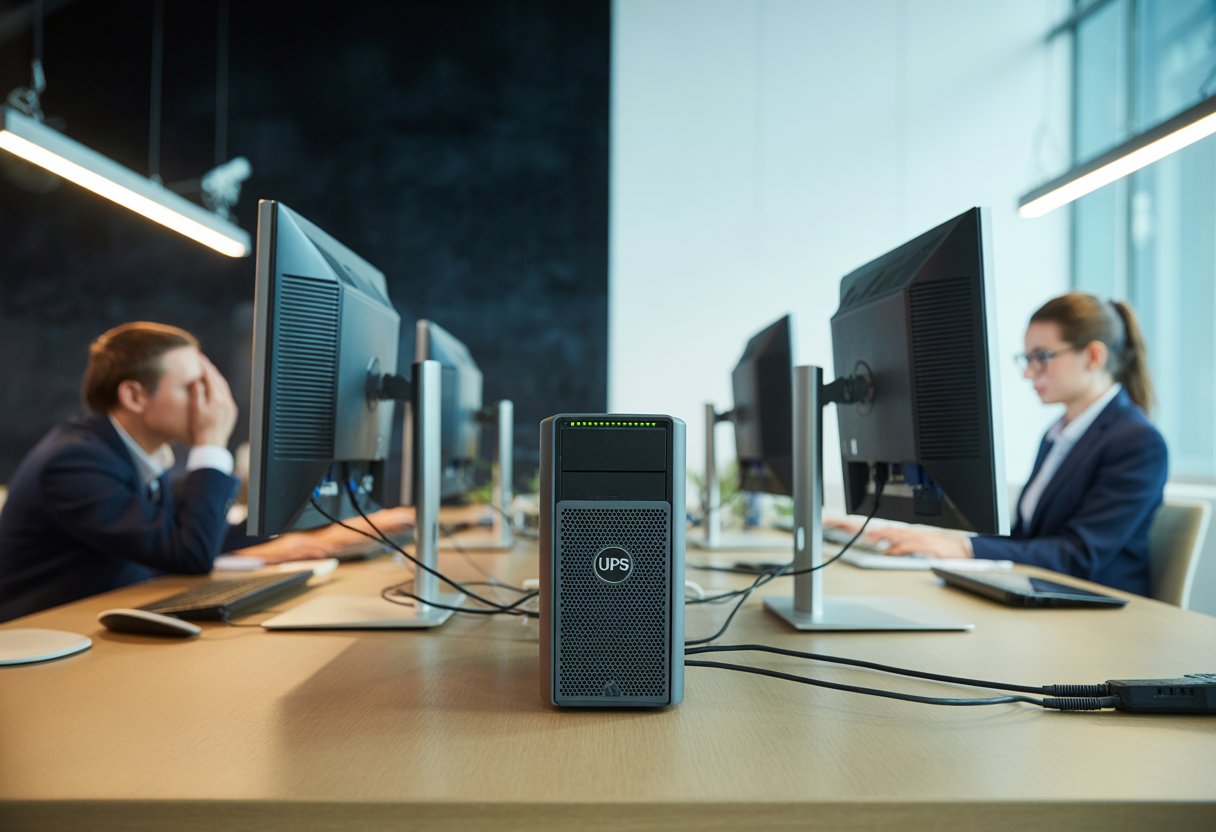
A UPS system protects your business from these hidden costs by providing backup power the moment an outage occurs, keeping your operations running without interruption. This continuous power supply prevents the chain reaction of problems that start the second your electricity cuts out.
Understanding what power outages actually cost your business helps you make informed decisions about protection. This article explains the real financial impact of outages, how they damage your equipment and data, and why a UPS system pays for itself by preventing these losses.
The Real Cost of Power Outages
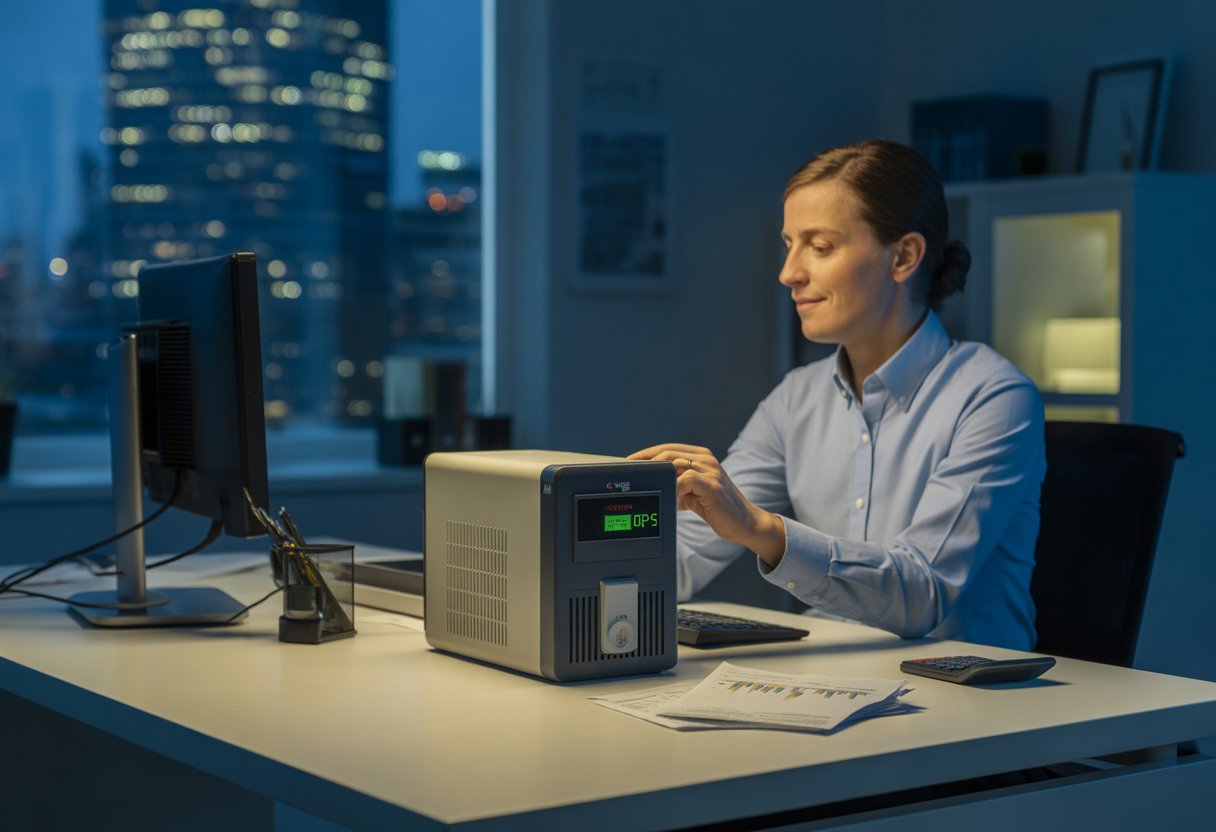
Power outages drain far more money than most people realise, with UK businesses losing roughly £150 billion annually and households facing hundreds to thousands of pounds per incident. The expenses extend beyond immediate damages to include lost work hours, spoiled goods, emergency equipment purchases, and long-term productivity setbacks.
Economic Impact on Businesses
Your business faces severe financial consequences when the power goes out. Even a brief power failure lasting just one second can shut down production lines and cause equipment damage worth millions of pounds in manufacturing facilities.
The direct costs add up quickly. You’ll lose revenue from halted operations whilst still paying employees and maintaining facilities. Your supply chain suffers disruptions that create ripple effects throughout your business operations.
Power disruptions also damage your equipment. Voltage spikes and sudden shutdowns can destroy sensitive electronics and machinery. You’ll face repair bills or full replacement costs for critical systems.
Your customers may lose trust in your ability to deliver. Missed deadlines and cancelled orders damage your reputation. Some clients might switch to competitors who maintain more reliable operations.
Consequences for Households and Individuals
Your home suffers multiple financial hits during power outages. Food in your fridge and freezer spoils within hours, costing you hundreds of pounds in wasted groceries. The average British household now experiences over eight hours of power outages yearly.
You’ll need to buy emergency supplies like torches, batteries, and alternative heating sources. Hotels or temporary accommodation become necessary during extended outages, especially in extreme weather.
Your property faces potential damage too. Frozen pipes can burst during winter outages. Security systems go offline, leaving your home vulnerable. Sump pumps stop working, which can lead to flooding in basements.
Medical costs increase if you or your family members rely on powered medical equipment. Temperature-sensitive medications may spoil, requiring expensive replacements.
Lost Productivity and Revenue
Power disruptions stop your work immediately. Employees sit idle whilst still on the clock, costing you money for zero output. Computer work becomes impossible without backup power systems.
Your deadlines slip when power outage events strike. Projects fall behind schedule, and you may face penalty fees for late deliveries. Client meetings get cancelled or postponed.
Data loss compounds your productivity problems. Unsaved work disappears in an instant. You’ll spend hours or days recreating lost information and files.
Recovery time extends well beyond the actual outage. Your systems need rebooting, equipment requires inspection, and staff must regain their workflow momentum.
The Cost of Temporary Solutions
Generator hire fees strain your budget during extended power failures. Fuel costs add up rapidly, with diesel generators consuming significant amounts per hour of operation.
Common temporary solution expenses:
- Portable generator purchase or rental: £200-£2,000
- Fuel costs: £20-£100+ per day
- Hotel stays: £80-£200 per night
- Restaurant meals: £30-£80 per day
- Ice and coolers: £15-£50
- Emergency lighting: £25-£150
These quick fixes rarely provide complete power coverage. You’ll still lose some functionality and convenience. The money spent on temporary measures could fund permanent backup solutions instead.
Your temporary generators may lack the capacity to run all essential systems simultaneously. You’ll need to prioritise which devices receive power, leaving others offline.
Understanding the Causes and Frequency of Power Interruptions
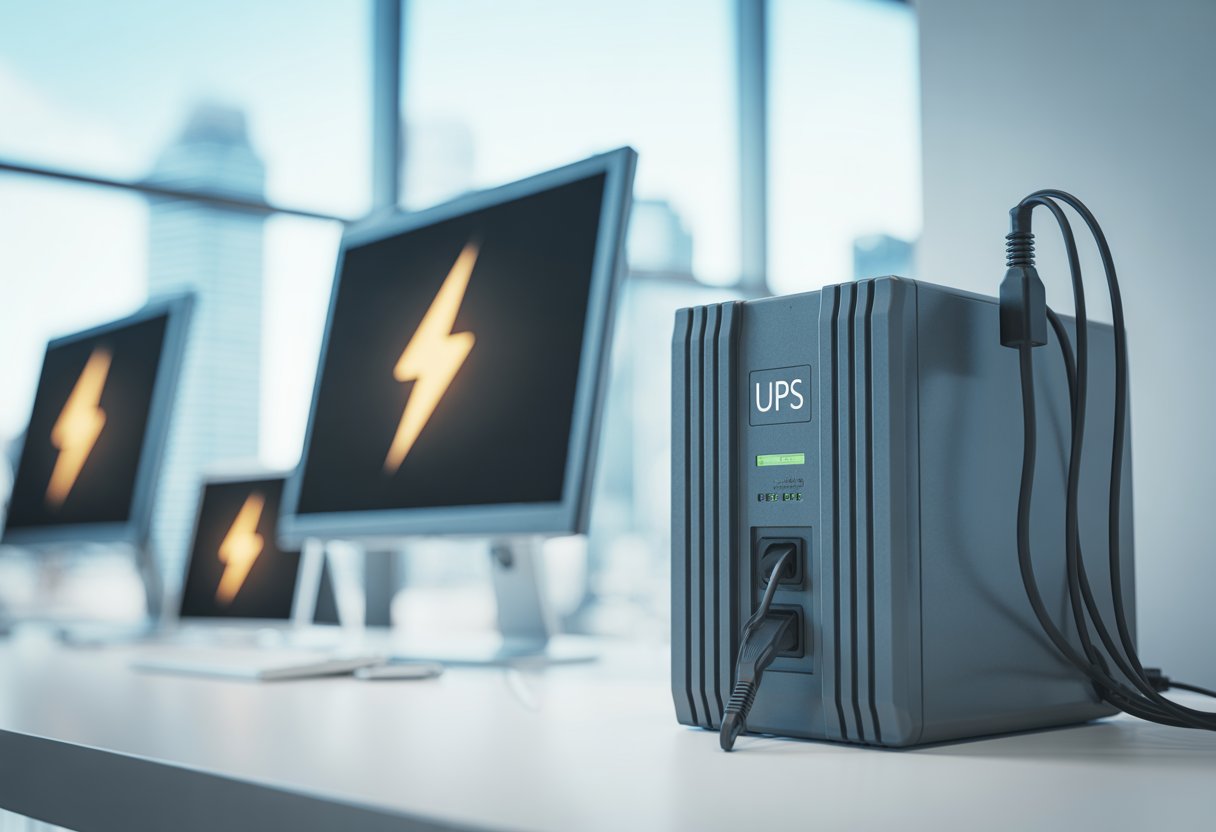
Power interruptions stem from various sources, from weather events to equipment failures. The frequency and duration of these disruptions directly impact how much they cost your business.
Common Triggers for Outages
Equipment failures account for a significant portion of power interruptions. Transformers, circuit breakers, and ageing infrastructure can fail without warning. When these components break down, your facility loses power until repairs are complete.
Grid overload happens when demand exceeds supply. During peak usage times, especially in summer months, the electrical grid struggles to meet everyone’s needs. This can lead to brownouts or complete power failures.
Key causes include:
- Faulty equipment and ageing infrastructure
- Grid overload during high demand periods
- Human error during maintenance work
- Animal interference with power lines
- Vehicle accidents affecting utility poles
Power surges and voltage fluctuations occur when the electrical supply suddenly increases beyond normal levels. These events damage sensitive equipment even when they don’t cause full outages. Your computers, servers, and manufacturing tools are particularly vulnerable to these sudden spikes in electricity.
Rising Incidence Due to Extreme Weather Events
Extreme weather events have become more frequent and severe. Storms, floods, and high winds damage power lines and substations regularly. Lightning strikes can take out transformers instantly, leaving entire areas without electricity.
Heat waves strain the electrical grid as air conditioning usage peaks. Cold snaps create similar problems when heating systems run continuously. These temperature extremes often lead to widespread power interruptions that last hours or days.
The UK has experienced more weather-related outages in recent years. Heavy rainfall causes flooding that damages electrical equipment. Strong winds bring down power lines. These incidents are increasing in both frequency and severity.
Short vs. Long-term Disruption
Power interruptions vary dramatically in length. Short disruptions last from one second to several minutes. These brief events can still shut down production lines, corrupt data, and damage equipment. Even a one-second outage costs manufacturers significant money.
Medium-length outages run from several minutes to a few hours. Your business loses productivity, spoils temperature-sensitive materials, and faces delays in fulfilling orders. Staff may need to leave if buildings become unsafe or uncomfortable.
Long-duration outages extend beyond several hours. These events cause the most severe financial damage. Facilities may need days to restart operations fully. Perishable inventory becomes worthless. Customer relationships suffer when you cannot deliver goods or services on time.
How Power Outages Damage Equipment and Data
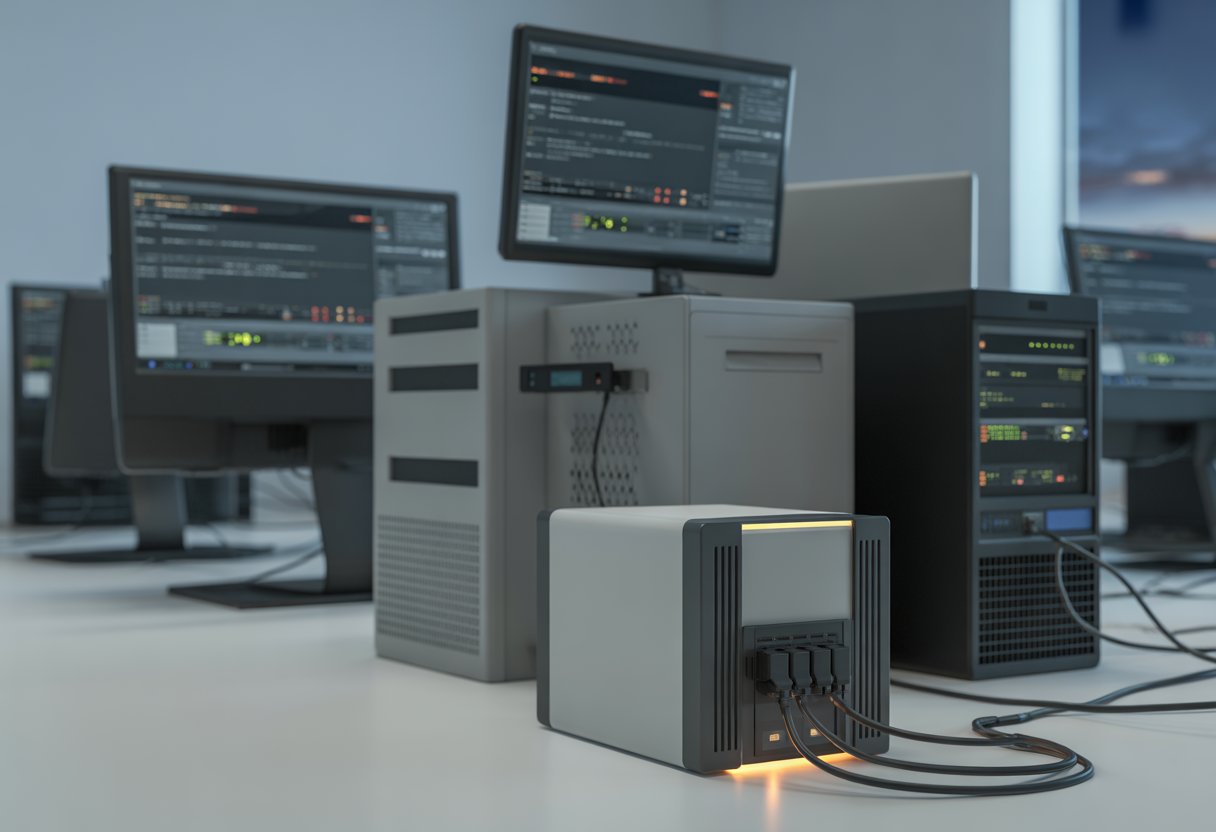
Power outages create immediate risks to your equipment through sudden voltage changes, while also threatening the data stored on your systems. Even brief interruptions can cause lasting harm that costs thousands in repairs and recovery.
Risks from Power Surges and Voltage Fluctuations
When power returns after an outage, it rarely comes back smoothly. Your equipment faces a sudden surge of electricity that can overwhelm circuits designed for steady power flow. These power surges send excessive voltage through your systems in milliseconds.
Voltage fluctuations cause three main problems:
- Overheating of internal components
- Burnt circuit boards and processors
- Shortened lifespan of sensitive electronics
Your devices expect consistent power levels to function properly. A voltage regulator helps maintain stable electricity flow, but the regulator itself can fail during extreme power surges. Without proper voltage regulation, your equipment receives either too much or too little power.
Standard office equipment like computers and servers are particularly vulnerable. Manufacturing facilities face even greater risks, as production equipment requires precise voltage levels to operate safely.
Potential for Hardware Damage
Power outages damage hardware in ways you might not notice immediately. Your hard drives suffer the most, as they contain moving parts that stop abruptly when power cuts out. The read/write heads can crash into the disk platters, creating permanent damage.
Cooling systems also shut down during outages. Servers and data centres generate enormous heat that builds up quickly without active cooling. This thermal stress weakens components and increases failure rates.
Common hardware failures include:
- Failed power supplies and capacitors
- Damaged motherboards and memory modules
- Corrupted storage drives
- Burnt network equipment
Replacement costs add up rapidly. A single server can cost thousands of pounds to repair or replace. Multiply this across multiple systems, and you face substantial financial losses beyond the initial outage.
Threats to Data Integrity
Your data faces corruption when power disappears during write operations. Files being saved split into fragments, databases lose recent transactions, and file systems develop errors. Data centres processing millions of operations per second risk losing critical information.
Incomplete writes create cascading problems. Your operating system may fail to boot, applications crash repeatedly, and backups become unreliable. Recovery requires specialised software and technical expertise, both expensive and time-consuming.
Power surges also scramble data stored in memory before it reaches permanent storage. You lose unsaved work, recent changes, and temporary files. Financial institutions processing transactions face regulatory issues when data goes missing.
Data corruption often goes undetected initially. You might discover problems weeks later when accessing archived files or running reports. By then, clean backups may no longer exist.
The Critical Role of a UPS System in Power Protection
A UPS system acts as your first line of defence when power problems strike. It delivers instant backup power during outages whilst protecting your equipment from voltage fluctuations and electrical surges.
Immediate Backup Power Supply
When the mains power fails, a UPS provides emergency power within milliseconds. This instant response prevents sudden shutdowns that can corrupt data and damage your equipment. The uninterruptible power supply sits between your devices and the wall socket, constantly monitoring the incoming electricity.
Your UPS contains batteries that activate automatically when it detects power loss. Most systems give you 5 to 30 minutes of runtime, depending on the size and connected load. This window allows you to save your work and shut down equipment properly.
Small UPS units protect individual computers and workstations. Larger systems safeguard entire server rooms and critical infrastructure. The seamless switch to battery power means your devices never experience an interruption, even for a fraction of a second.
Maintaining Business Continuity
Power cuts bring operations to a complete halt without proper protection. A UPS system keeps your business running during outages, preventing costly downtime. Each minute without power can cost your organisation hundreds or thousands of pounds in lost productivity.
Your backup power solution protects more than just equipment. It maintains customer service, preserves ongoing transactions, and keeps communication systems operational. Healthcare facilities rely on UPS systems to power life-saving equipment. Retail businesses need them to process payments and maintain security systems.
The cost of implementing a UPS is minimal compared to the losses from unexpected downtime. You avoid missed deadlines, lost sales, and damage to your professional reputation.
Protection for Sensitive Devices
Modern electronics are vulnerable to power surges, voltage spikes, and electrical noise. Your UPS system filters these problems before they reach your equipment. It regulates voltage levels and conditions the power supply to provide clean, stable electricity.
Servers, networking equipment, and computers contain delicate components that fail when exposed to poor power quality. A power surge can destroy hard drives, motherboards, and processors in seconds. Your uninterruptible power supply absorbs these surges and prevents damage.
The voltage regulation feature protects against brownouts and power fluctuations that occur even when the electricity stays on. This constant protection extends the lifespan of your equipment and reduces repair costs.
How a UPS Saves You Money
A UPS protects your budget by preventing expensive downtime, cutting repair costs, and making your equipment last longer. These benefits add up to real savings over time.
Preventing Costly Downtime
When the power goes out, your business stops making money. Every minute of downtime costs you in lost productivity, missed sales, and frustrated customers. A UPS gives you runtime to keep working through brief outages or shut down properly during longer ones.
Most UPS systems provide 15 to 60 minutes of backup power. This window lets you save your work, complete urgent tasks, and avoid losing progress. For critical operations, you can use this time to switch to a backup generator whilst maintaining continuous operation.
The cost of downtime varies by industry, but even small businesses lose hundreds of pounds per hour when systems go offline. A UPS eliminates these losses during short power interruptions and gives you control during longer ones.
Reducing Repairs and Emergency Expenses
Power surges and voltage fluctuations damage your electronics gradually. When equipment fails suddenly, you face emergency repair bills and rushed replacement purchases at premium prices. A UPS conditions your power supply to deliver stable electricity at all times.
Emergency repairs cost significantly more than planned maintenance. Technicians charge premium rates for urgent callouts, and you might need to pay for expedited shipping on replacement parts. A UPS prevents these situations by protecting your equipment from electrical damage before it occurs.
You also avoid the cascading costs that follow equipment failure. Data recovery services, temporary hardware rentals, and overtime wages for staff working to restore systems all disappear when your UPS prevents the initial problem.
Extending Equipment Lifespan
Your computers, servers, and networking equipment weren’t designed to handle unstable power. Each surge or brownout stresses internal components and shortens their working life. A UPS filters out these problems and helps your devices reach their full expected lifespan.
Batteries in a UPS require periodic replacement, but this maintenance cost is far less than replacing entire computer systems prematurely. You get more years of service from your existing equipment, which delays major capital expenditures.
Equipment that runs on clean, stable power also performs more reliably between replacements. You’ll experience fewer glitches, crashes, and mysterious problems that waste time and reduce productivity.
Maximising UPS Value: Maintenance and Best Practices
Regular maintenance directly impacts your UPS system’s reliability and lifespan whilst reducing emergency repair costs. Proper care involves scheduled inspections, thermal imaging assessments, and warranty-compliant procedures that keep your system running efficiently.
Importance of Preventive Maintenance
Preventive maintenance stops small problems from becoming expensive failures. Your UPS system relies on multiple components working together, and regular checks catch issues before they cause downtime.
A maintenance schedule should include battery testing, connection inspections, and performance monitoring. These tasks identify weak points that could fail during an actual power outage. Neglecting maintenance increases the risk of system failure when you need backup power most.
The cost of routine maintenance is far lower than emergency repairs or equipment replacement. Most UPS failures result from overlooked wear and tear rather than sudden component failure. By addressing these issues early, you avoid the steep expenses associated with urgent repairs and lost productivity.
Regular servicing also improves energy efficiency. Clean components and properly calibrated systems consume less power, reducing your operational costs over time.
Thermal Imaging and Routine Inspections
Thermal imaging detects hot spots and electrical issues that aren’t visible during standard inspections. This technology identifies overheating components, loose connections, and uneven load distribution before they cause damage.
Your maintenance routine should include visual inspections of all connections, terminals, and cables. Look for signs of corrosion, wear, or discolouration. Check ventilation systems to ensure proper airflow around the UPS unit.
Key inspection points include:
- Battery terminals for corrosion or loose connections
- Capacitors for bulging or leaking
- Cooling fans for proper operation and debris buildup
- Input and output connections for secure fittings
Schedule inspections quarterly or semi-annually depending on your system’s workload and environment. Critical systems may require monthly checks.
Ensuring Warranty Compliance and Long-Term Efficiency
Most UPS warranties require documented maintenance by qualified technicians. Skipping professional servicing can void your warranty, leaving you responsible for full repair costs.
Keep detailed records of all maintenance activities, including dates, technician names, and work performed. These records prove warranty compliance and help track your system’s health over time.
Follow manufacturer guidelines for service intervals and approved maintenance procedures. Using non-approved parts or unauthorised technicians may invalidate warranty coverage. Professional maintenance ensures your system meets regulatory standards whilst maintaining optimal performance throughout its expected lifespan.
Frequently Asked Questions
Power outages create real financial consequences that many people don’t consider until they face them. A UPS system addresses these costs through protection, prevention, and continuity measures that deliver measurable savings.
What are the financial implications of power interruptions for businesses?
Power interruptions cost businesses money in multiple ways. Lost productivity happens immediately when employees cannot work and equipment stops running. Data loss can require expensive recovery services or may be impossible to recover entirely.
Damaged equipment is another major expense. Power surges during outages can destroy computers, servers, and other electronics. Spoiled inventory matters for businesses that store temperature-sensitive products.
Revenue loss extends beyond the outage itself. Missed deadlines damage client relationships and can lead to contract penalties. Customer trust erodes when services become unreliable, which affects future sales.
How can an Uninterruptible Power Supply (UPS) reduce operational losses during electricity failures?
A UPS switches to battery power instantly when mains power fails. Your systems continue running without interruption. Employees can finish their work and save their files properly.
This immediate switchover prevents the cascade of problems that outages create. Work continues during brief outages. For longer outages, the UPS provides enough time to shut down systems safely and prevent data corruption.
The cost of a UPS system is predictable and fixed. The cost of repeated outages adds up over time and can easily exceed what you spend on backup power protection.
In what ways does a UPS contribute to safeguarding electronic equipment?
Electronic devices are vulnerable to power fluctuations and sudden shutdowns. A UPS provides clean, stable power that protects sensitive components. Voltage regulation prevents damage from surges and sags in the power supply.
Hard drives and memory suffer particular harm from abrupt power loss. The read/write heads on traditional hard drives can crash into the platters. Solid-state drives can experience data corruption when power cuts off during write operations.
A UPS extends the lifespan of your equipment by preventing this type of damage. The money you save on replacement costs and repairs often exceeds the initial investment in the UPS system.
Can the installation of a UPS result in lower insurance premiums for businesses?
Some insurance providers offer reduced premiums for businesses with proper backup power systems. The UPS demonstrates risk mitigation and responsible business practices. You need to check with your specific insurer about available discounts.
Business interruption insurance claims decrease when you have a UPS. Fewer claims can lead to better rates over time. The protection also helps you meet certain policy requirements for equipment protection.
Documentation of your UPS system may be necessary to qualify for reductions. Keep records of installation, maintenance, and capacity specifications.
What types of cost savings can be realised by using a UPS in a home office setup?
Home offices face the same risks as larger businesses but on a smaller scale. Lost work means redoing hours of effort. Damaged computers and peripherals require costly replacements.
A UPS for a home office prevents these losses at a modest cost. Your work saves automatically during brief outages. You avoid the frustration and expense of recreating lost documents or projects.
Freelancers and remote workers protect their income by maintaining reliability. Missing deadlines due to power issues can damage your professional reputation. The cost of a basic UPS system is less than the income lost from a single missed deadline.
How does a UPS ensure business continuity and what is its impact on long-term revenue?
Business continuity depends on consistent service delivery. A UPS keeps critical systems running when power fails. Your customers receive uninterrupted service even during grid problems.
This reliability builds customer confidence and loyalty. Clients know they can depend on your business regardless of external conditions. Repeat business and positive referrals increase your long-term revenue.
The competitive advantage matters in many industries. Businesses with reliable operations win contracts over less-prepared competitors. The investment in a UPS system pays dividends through sustained operations and protected revenue streams over years of service.
Need help?
Should you wish to discuss a particular application or requirement
Then please contact us free on 03300271309 or email us at sales@upscentre.co.uk

Tony Whittam
Specialist in digital marketing for more than 18 years, I am the co-founder and CEO of T & T Web Design. Affordable Search Engine Optimisation (SEO), PPC Management and Reputation Management.


