

How Lithium-Ion UPS Systems Are Changing Backup Power Forever: The Revolutionary Shift in Critical Energy Infrastructure
Power outages can shut down your business in seconds. A UPS system acts as your safety net by providing instant backup power when the grid fails. For years, these systems relied on lead-acid batteries, but that’s changing fast.
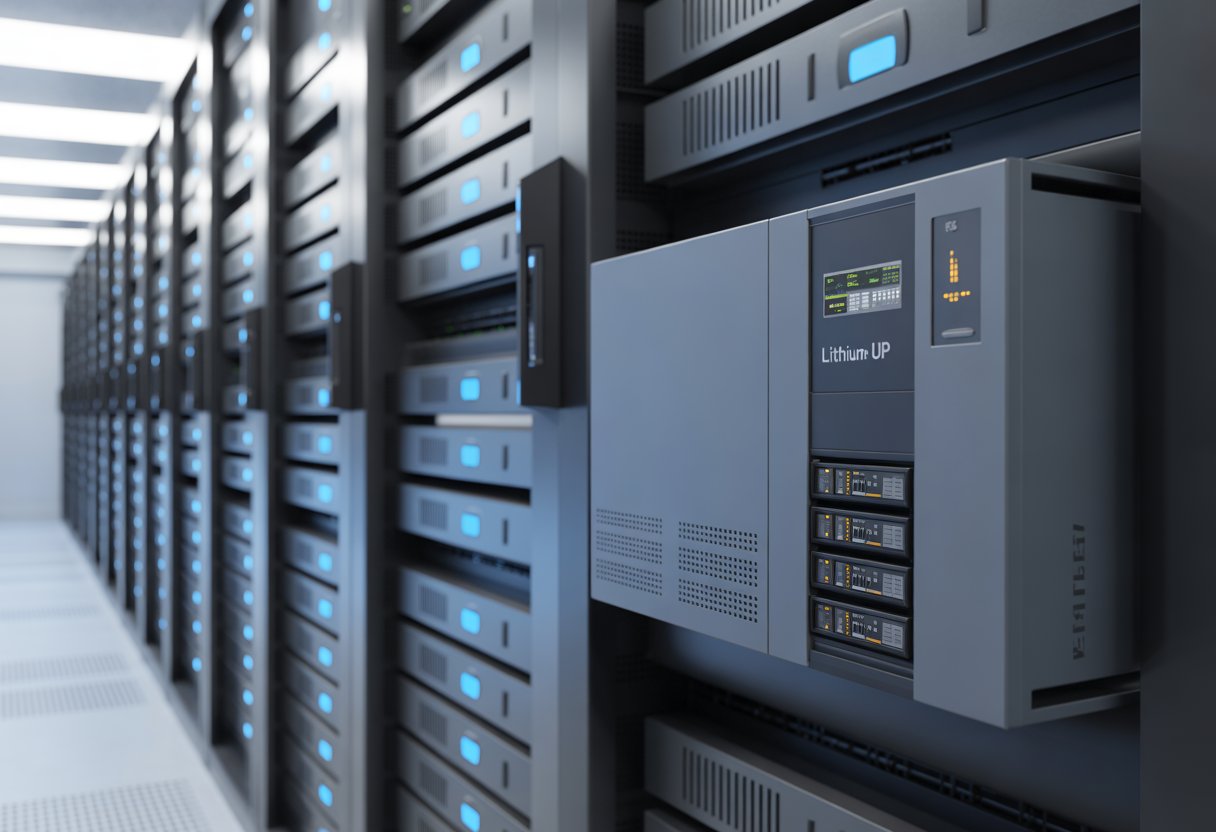
Lithium-ion UPS systems are replacing traditional lead-acid batteries because they last two to three times longer, take up less space, and reduce overall costs despite higher upfront prices. This shift isn’t just a minor upgrade. It represents a complete rethinking of how businesses protect their critical equipment and data.
The change affects everyone from small offices to large data centres. You’ll discover why lithium-ion technology offers faster recharge times, better energy density, and fewer battery replacements. Understanding these differences helps you make smarter decisions about protecting your operations from power disruptions.
The Evolution of Backup Power Systems

Backup power systems have transformed from simple mechanical devices into sophisticated energy management solutions. The shift from lead-acid to lithium-ion technology represents the most significant change in how businesses protect their critical systems.
Traditional Lead-Acid Versus Lithium-Ion Technologies
Lead-acid batteries dominated the UPS market for decades because they were affordable and reliable. Your traditional UPS systems used valve-regulated lead-acid (VRLA) batteries that required regular maintenance and replacement every 3-5 years.
These lead-acid UPS batteries had significant drawbacks. They took up substantial floor space in your facility. They were heavy, which created structural concerns for your building. Temperature fluctuations affected their performance, so you needed climate-controlled rooms.
Lithium-ion batteries changed everything. You get 10-15 years of service life from a single battery installation. Your lithium battery systems weigh 60-80% less than comparable lead-acid solutions. They charge faster and operate efficiently across a wider temperature range.
The cost comparison favours lithium-ion over time. Whilst your initial investment is higher, you save money through fewer replacements, reduced cooling costs, and smaller space requirements.
Uninterruptible Power Supply Fundamentals
Your uninterruptible power supply protects equipment from power disruptions. When mains power fails, the UPS instantly switches to battery power without interruption.
Early UPS systems used motors and flywheels to store mechanical energy. When power cut out, the flywheel’s spinning motion converted to electricity. These systems were large and inefficient by modern standards.
Modern UPS systems use three basic designs. Online UPS units continuously power your equipment through the battery. Offline UPS switches to battery only during outages. Line-interactive UPS regulates voltage whilst staying ready to switch to battery mode.
Major Developments in UPS Batteries
Battery chemistry improvements define UPS evolution. VRLA batteries replaced flooded lead-acid batteries in the 1980s, eliminating most maintenance requirements. You no longer needed to add water or worry about acid spills.
Lithium-ion technology entered the market in the 2010s. Your backup power systems became smaller, lighter, and more efficient. The energy density of lithium batteries allowed you to store more power in less space.
Smart battery management systems now monitor your UPS performance in real-time. You receive alerts about battery health, temperature, and charge cycles. These systems predict when batteries need replacement before they fail.
How Lithium-Ion UPS Systems Are Transforming Backup Power

Lithium-ion UPS systems deliver longer lifespans, reduced maintenance costs, and smaller footprints compared to traditional lead-acid technology. These improvements make them essential for businesses that require reliable battery backup and efficient use of space.
Key Advantages over Lead-Acid UPS
Lithium-ion UPS batteries last 2-3 times longer than lead-acid alternatives, which means fewer replacements over time. You’ll spend less on labour costs and avoid frequent maintenance schedules that interrupt your operations.
The energy density of lithium-ion technology allows these UPS batteries to store more power in less space. A smaller physical size means you can install backup power systems in locations where traditional units wouldn’t fit.
Lithium-ion ups systems charge faster than lead-acid models. This quick recharge capability ensures your battery backup returns to full capacity sooner after a power outage. You also benefit from consistent performance across a wider temperature range, which matters in environments without strict climate control.
Role in Mission-Critical Environments
Data centres and edge computing facilities rely on lithium-ion UPS systems to protect critical equipment from power interruptions. These systems provide instant power when the grid fails, keeping servers and network infrastructure running without disruption.
Healthcare facilities use lithium-ion ups for medical equipment that cannot tolerate power loss. Financial institutions depend on this technology to maintain transaction processing and prevent data corruption during outages.
The extended cycle life of lithium-ion batteries makes them suitable for locations that experience frequent power fluctuations. Your backup power system maintains its capacity through thousands of charge cycles, ensuring reliable protection year after year.
Improving UPS Power Backup Reliability
Lithium-ion technology offers superior performance consistency throughout its operational life. Unlike lead-acid batteries that degrade gradually and unpredictably, you can monitor lithium-ion battery health with greater accuracy.
Advanced battery management systems in lithium-ion UPS provide real-time data on charge levels, temperature, and overall condition. You receive early warnings about potential issues before they affect your ups power backup capabilities.
These systems maintain stable voltage output even under heavy loads. Your connected equipment receives clean, consistent power that prevents damage and extends the lifespan of your critical hardware.
Space and Installation Flexibility
Lithium-ion UPS batteries weigh significantly less than lead-acid alternatives, making installation simpler and reducing structural requirements. You can mount these systems in locations that couldn’t support heavier traditional units.
The compact design allows you to maximise available floor space in server rooms and equipment closets. Some lithium-ion ups systems occupy 70% less space than comparable lead-acid models.
Flexible installation options include wall mounting, rack mounting, and floor-standing configurations. You can adapt your backup power infrastructure to fit existing layouts without major renovations or reinforcement work.
Core Benefits of Lithium-Ion Battery Technology in UPS Applications

Lithium-ion batteries deliver measurable improvements in three critical areas: lifespan, energy performance, and safety systems. These advantages translate to lower maintenance costs, reduced space requirements, and more reliable power protection.
Extended Service Life and Reduced Replacement
Li-ion batteries typically last 10 to 15 years in UPS applications, whilst traditional lead-acid batteries require replacement every 3 to 5 years. This extended battery life means you’ll face fewer interruptions for maintenance and replacement procedures.
The reduction in battery replacement frequency cuts your total cost of ownership significantly. You won’t need to schedule as many service visits or keep replacement units in stock. Most lithium-ion systems can handle 3,000 to 5,000 charge cycles before reaching 80% capacity, compared to just 500 to 1,000 cycles for lead-acid alternatives.
Your facilities team will spend less time managing battery maintenance schedules. The extended service life also reduces waste, as you’ll dispose of fewer batteries over your UPS system’s operational lifetime.
Higher Energy Efficiency and Density
Lithium-ion batteries store more energy in less space than other battery technologies. You can expect energy density levels 2 to 3 times higher than lead-acid batteries, which means a smaller physical footprint for your energy storage needs.
Your UPS system will charge faster with li-ion batteries, often reaching full capacity in 2 to 4 hours rather than 12 to 24 hours. This quick recharge time ensures your backup power is ready sooner after an outage. The batteries also maintain 95% to 98% efficiency during charge and discharge cycles.
The reduced size and weight of lithium-ion systems gives you more flexibility in equipment placement. A typical lithium-ion battery cabinet weighs 60% to 80% less than a comparable lead-acid setup, making installation easier and reducing structural load requirements.
Enhanced Safety and Thermal Management
Modern lithium-ion UPS systems include sophisticated battery management systems (BMS) that monitor each cell’s voltage, temperature, and state of charge. The BMS prevents overcharging, over-discharging, and thermal runaway conditions that could compromise safety.
Lithium-ion batteries generate less heat during operation than lead-acid batteries. Your cooling requirements will decrease, reducing energy costs for climate control in battery rooms. Many systems operate safely in ambient temperatures between 20°C and 25°C without requiring dedicated cooling infrastructure.
The BMS provides real-time data about battery health and performance. You’ll receive early warnings about potential issues before they affect your backup power capability, allowing for proactive maintenance rather than reactive repairs.
Cost Considerations and Total Cost of Ownership
Lithium-ion UPS systems typically cost more upfront than traditional lead-acid alternatives, but they deliver significant savings over their operational life through reduced maintenance, longer lifespan, and improved efficiency.
Upfront Investment versus Lifecycle Savings
Lithium-ion UPS systems require a higher initial purchase price compared to valve-regulated lead-acid (VRLA) batteries. You might pay 50% to 100% more for the initial equipment.
However, the total cost of ownership tells a different story. Lithium-ion batteries last 10 to 15 years, whilst VRLA batteries typically need replacement every 3 to 5 years. This means you’ll replace lead-acid batteries two to three times over the same period that one lithium-ion system operates.
The battery management system in lithium-ion units optimises charging and discharging cycles, which extends battery life further. Energy efficiency also plays a role—lithium-ion batteries convert approximately 95% of stored energy into usable power, compared to 80% for lead-acid alternatives. This efficiency reduces electricity costs throughout the system’s lifetime.
Lower Maintenance and Operating Expenses
Lithium-ion UPS systems eliminate most routine maintenance requirements. You won’t need to perform regular water top-ups, equalisation charges, or frequent capacity testing that lead-acid batteries demand.
The integrated battery management system continuously monitors cell performance, temperature, and state of charge. This automated monitoring reduces the need for manual inspections and catches potential issues before they cause failures.
Cooling costs drop significantly as well. Lithium-ion batteries generate less heat during operation, which reduces air conditioning requirements in your facility. Some organisations report 30% to 40% reductions in cooling energy consumption after switching to lithium-ion UPS systems.
Modularity and Scalability
Modern lithium-ion UPS systems use modular designs that let you start with the capacity you need today and expand later. You can add battery modules without replacing the entire system, which spreads capital expenses over time.
This modularity also reduces spare parts inventory costs. Rather than stocking complete battery strings, you only need to keep a few modules on hand for quick replacements. The smaller footprint of lithium-ion batteries—typically 50% to 70% less space than equivalent lead-acid systems—can free up valuable floor space for other equipment or reduce facility costs altogether.
Sustainability and Environmental Impact
Lithium-ion UPS systems deliver measurable environmental advantages through reduced material waste, extended operational lifespans, and improved energy efficiency. The power backup industry is addressing sustainability through battery recycling programmes and lower carbon emissions across the entire product lifecycle.
Environmental Benefits of Lithium-Ion Technologies
Lithium-ion batteries use less physical space and raw materials compared to traditional lead acid batteries. A typical lithium-ion UPS battery weighs 60-80% less than its lead acid equivalent whilst providing the same power output. This weight reduction means lower fuel consumption during transport and reduced structural requirements in your facility.
These batteries operate at 95-98% efficiency, compared to 80-85% efficiency in lead acid systems. Higher efficiency means less energy wasted as heat, which reduces your cooling requirements and overall electricity consumption. The average lifespan of lithium-ion batteries reaches 10-15 years, whilst lead acid batteries typically last 3-5 years. Fewer battery replacements mean less manufacturing demand and reduced disposal needs over the same operational period.
Battery Recycling Innovations
Modern lithium-ion battery recycling recovers up to 95% of valuable materials including lithium, cobalt, nickel, and copper. Hydrometallurgical processes extract these materials through chemical solutions, whilst pyrometallurgical methods use high-temperature smelting. Direct recycling techniques preserve the cathode structure, requiring less energy than producing new materials.
The recycling infrastructure continues to expand as battery volumes increase. Specialised facilities now process end-of-life UPS batteries and repurpose cells that still retain 70-80% capacity for less demanding applications. This second-life approach extends the useful service period before materials enter the recycling stream.
Reducing Carbon Footprint in the Power Backup Industry
Manufacturing lithium-ion batteries initially produces higher carbon emissions than lead acid batteries. However, the longer lifespan and superior efficiency offset this within 2-3 years of operation. Your total carbon footprint decreases significantly when calculated across the complete 10-15 year service life.
The power backup industry has reduced emissions through modular UPS designs that scale with actual demand rather than fixed capacity installations. These systems eliminate oversized deployments and the associated energy waste. Battery management systems optimise charge cycles and prevent unnecessary replacements, further reducing the environmental impact of your backup power infrastructure.
Future Trends and Industry Adoption
The lithium-ion UPS market is projected to exceed £3.9 billion by 2028, driven by technological breakthroughs and expanding applications across multiple sectors. Healthcare facilities, data centres, and residential properties are accelerating their adoption of these systems due to superior performance characteristics and declining costs.
Ongoing Innovations in Lithium-Ion UPS
Manufacturers are developing lithium batteries with enhanced energy density and faster charging capabilities. Current innovations focus on extending battery lifecycles beyond 10 years whilst reducing physical footprints by up to 70% compared to traditional lead-acid alternatives.
Battery management systems now incorporate artificial intelligence to predict maintenance needs and optimise performance. These smart monitoring features provide real-time data on temperature, voltage, and capacity levels. You can access this information remotely through cloud-based platforms.
New battery chemistries are emerging that improve safety profiles and reduce fire risks. Solid-state lithium technology represents the next generation of UPS batteries, offering greater stability and longer operational lifespans.
Market Leaders and Technology Partners
Schneider Electric leads the enterprise UPS segment with modular lithium-ion solutions designed for data centres and industrial applications. Their Galaxy VS series integrates seamlessly with renewable energy sources.
Several key players dominate the lithium-ion UPS landscape:
- Eaton – Specialises in three-phase UPS systems for large facilities
- Vertiv – Focuses on edge computing and telecommunications infrastructure
- ABB – Develops grid-scale energy storage solutions
- Schneider Electric – Provides end-to-end power management systems
These manufacturers are forming partnerships with lithium battery producers to secure supply chains. You’ll see increased collaboration between UPS vendors and renewable energy companies as grid integration becomes more critical.
Outlook for UPS Systems Adoption
The global UPS battery market is expected to reach £19.4 billion by 2030, growing at 14% annually. Data centres account for the largest share of this growth, followed by healthcare and telecommunications sectors.
Residential adoption is increasing as home automation and solar energy systems become more common. You’ll find more homeowners installing lithium-ion UPS systems to protect sensitive electronics and maintain power during outages.
Regulatory pressures around sustainability are pushing organisations toward lithium solutions. Many countries now mandate recycling programmes for lithium batteries, creating circular economy opportunities. The healthcare sector continues expanding its use of lithium-ion UPS systems due to requirements for reliable power in critical care environments.
Frequently Asked Questions
Lithium-ion UPS systems offer three times the lifespan of lead-acid batteries, operate efficiently in temperatures from -20°C to 60°C, and require minimal maintenance whilst reducing total ownership costs by up to 40% over their lifetime.
What are the key advantages of using lithium-ion UPS systems compared to traditional lead-acid UPS systems?
Lithium-ion batteries last two to three times longer than lead-acid batteries. They charge faster and take up less space in your facility.
You’ll notice they weigh significantly less than traditional batteries. This makes installation easier and gives you more flexibility in where you can place them. The smaller footprint means you can use the saved space for other equipment or operations.
These systems deliver consistent power output throughout their discharge cycle. Lead-acid batteries lose voltage as they discharge, but lithium-ion maintains stable power until nearly depleted.
How do lithium-ion batteries improve the sustainability and energy efficiency of UPS solutions?
Lithium-ion batteries operate at 95% to 98% efficiency compared to 80% to 85% for lead-acid systems. This means less energy waste and lower electricity bills for your business.
You’ll replace lithium-ion batteries far less frequently. Fewer replacements mean less manufacturing demand and reduced waste going to landfills. The longer service life directly reduces your environmental impact.
These batteries contain no heavy metals like lead or cadmium. They’re easier to recycle and pose fewer environmental risks during disposal. The reduced cooling requirements also lower your overall energy consumption.
In what ways does the longer lifespan of lithium-ion batteries impact the total cost of ownership for UPS systems?
Your lithium-ion batteries will last 10 to 15 years compared to 3 to 5 years for lead-acid batteries. This means you’ll replace them less than half as often during your UPS system’s lifetime.
You’ll save money on labour costs for battery replacements. Fewer replacements mean less downtime and fewer service calls. The initial higher cost becomes offset within a few years through these savings.
Your maintenance costs drop significantly. You won’t need to perform regular water top-ups or frequent voltage checks. The reduced service requirements free up your IT staff for other priorities.
Can lithium-ion UPS systems operate in a wider range of temperatures, and what benefits does this provide?
Lithium-ion batteries function reliably from -20°C to 60°C. Lead-acid batteries struggle outside the 15°C to 25°C range and lose capacity in extreme temperatures.
You can install these systems in more locations throughout your facility. Edge computing sites, warehouses, and spaces without climate control become viable options. This flexibility reduces your infrastructure costs for cooling and environmental management.
The wider temperature tolerance means your batteries maintain performance in challenging conditions. You won’t experience the capacity degradation that affects lead-acid batteries in hot environments.
How do advancements in battery management systems enhance the safety and reliability of lithium-ion UPS systems?
Modern battery management systems monitor each cell’s voltage, temperature, and charge state in real time. They prevent overcharging, over-discharging, and thermal issues before they become problems.
Your system automatically balances cells to maintain optimal performance. This ensures all cells age at similar rates and prevents weak cells from affecting the entire battery pack. The technology extends battery life and maintains consistent output.
Advanced systems detect potential failures early. You receive alerts about issues before they cause downtime. The monitoring capabilities provide detailed data about your battery’s health and remaining lifespan.
What are the implications of the reduced maintenance requirements associated with lithium-ion UPS for businesses and data centres?
You’ll eliminate scheduled maintenance visits for battery checks and water top-ups. Lithium-ion systems require minimal physical maintenance compared to lead-acid alternatives. This reduces your operational expenses and staff workload.
Your IT team can focus on core responsibilities instead of battery maintenance. The time saved on routine checks and replacements adds up to significant productivity gains. You’ll need fewer trained personnel dedicated to UPS maintenance.
Data centres benefit from fewer service interruptions. Less maintenance means reduced risk of human error during service procedures. Your backup power system becomes more reliable with fewer opportunities for maintenance-related failures.
Need help?
Should you wish to discuss a particular application or requirement
Then please contact us free on 03300271309 or email us at sales@upscentre.co.uk

Tony Whittam
Specialist in digital marketing for more than 18 years, I am the co-founder and CEO of T & T Web Design. Affordable Search Engine Optimisation (SEO), PPC Management and Reputation Management.


